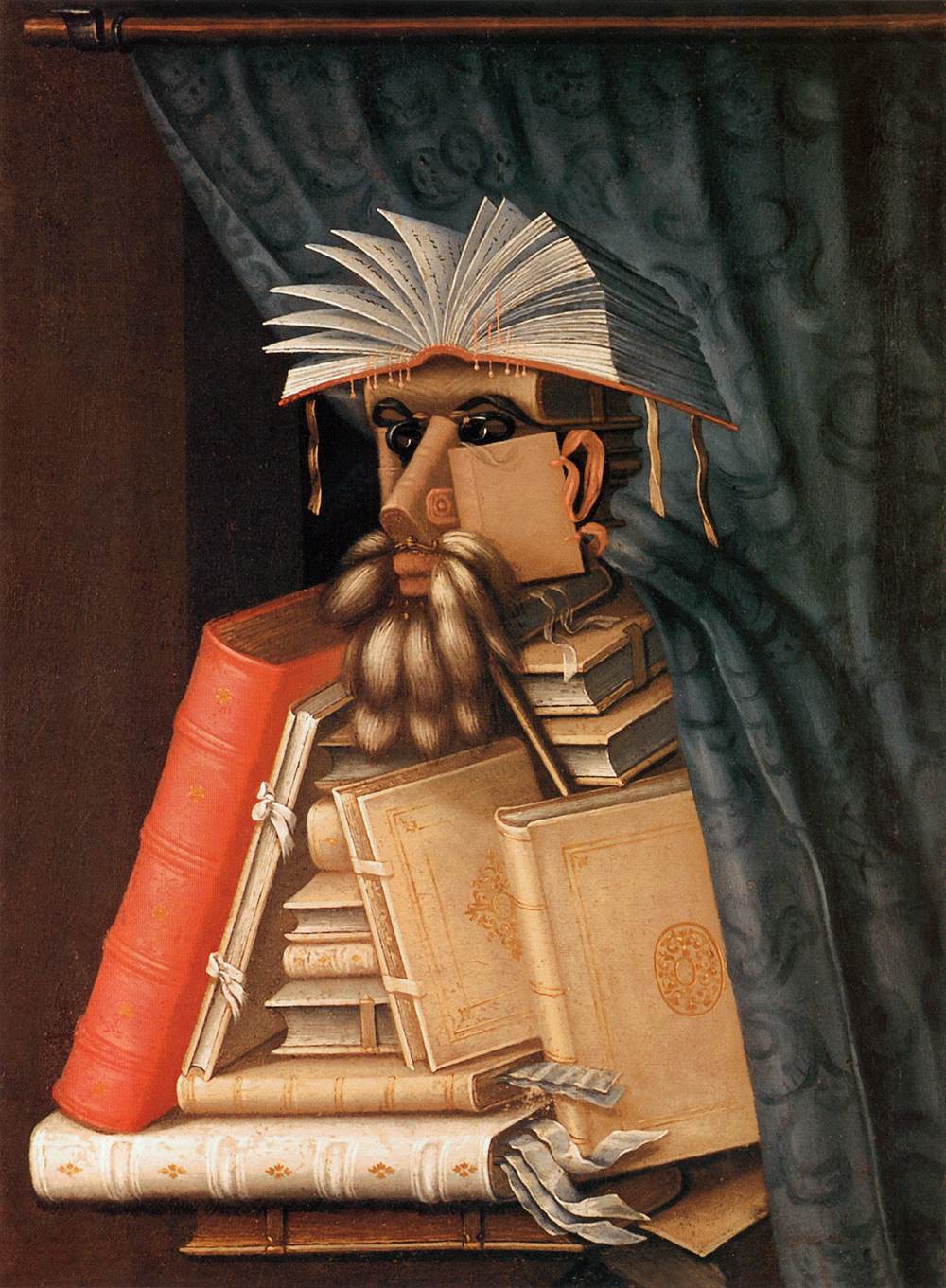
A year at a SWALCAP (South West Academic Libraries Co-operative Automation Project) library, an early adopter of automated library systems and 9 months at CLW where I took special library options including a placement at an architect's library with early experience of post disaster management (the Taff had burst its banks and the slide library in the basement was flooded) and a PAID vacation work establishing a catalogue and a circulation system for a firm of solicitors found me with a DipLib and no work.
Academic libraries were facing a cut in budgets and cancelling journal subscriptions (sounds familiar...). A few weeks temping in a solicitors firm, photocopying trial bundles, then typing, managing a switchboard (ineptly) and audio typing whilst applying for anything library or information related followed before I joined South Glamorgan County Libraries, initially managing the circulation desk at Barry Town Library (having never seen the Browne circulation system in action) and then becoming Branch Librarian at Trelai in Cardiff. I was able to gain my Charter and therefore become an ALA by following the internal training system within the County Libraries under the old Library Association regulation of two years work and a post graduate qualification conferring Chartered status. Public librarianship offered valuable experience in staff management, mainly organising rosters for coffee and lunch breaks, involvement with community workers in the Branch Library to improve facilities for young people such as homework clubs and summer reading schemes and extensive reference work experience from published works.
Shortly after becoming Chartered I took a career break to bring up daughters, working part time as a Library Assistant at University College Cardiff and taking various Open University courses in Maths, Computing and Statistics. We moved to Cambridge, and within two weeks I was appointed to the ESTC project based at Queens' and Emmanuel College, having applied for work in advance of the house move, and then to a job-share post at Homerton College in the School Practice Library. A year later the post of Assistant Librarian at St Catharine's was advertised and the OU qualifications were invaluable since the College Library was in the early stages of automation, and the LMS system LIB-Base created by Alan Findlay and Mary Kendall of Churchill College could be modified according to local need.
The initial appointment was for 25 hours a week, ideal with children still in primary school but the post developed, was regraded and became full-time (plus) and the word Assistant dropped. Developments in networked systems and the introduction of the Voyager system resulted in a group of LIB-Base librarians looking for a replacement LMS and selecting Softlink Liberty3 and then customising it (OU coming in handy again) and I attended Rare Books Group study conferences and Historic Library Forum meetings to support my work on the College rare book holdings. Otherwise involvement in CILIP was, I admit, minimal apart from scanning the Gazette, now Update and feeling that my MCLIP was a rented qualification.
It was my involvement in the CCALG (Cambridge College Assistant Librarians Group) which became the CCLF (Cambridge Colleges Library Forum), the Trumpington Street Disaster Planning Group and the courses provided by libraries@cambridge, the Computing Service and the College which contributed to my professional development at far less cost than a traipse to London. Ned Potter in his blog advises finding out what skills are required and seeking out training, in Cambridge we are extremely fortunate that courses are available, the main problem being for sole practitioners is getting away from the office to attend them.
Last Easter I retired (early) to pursue a dream of extended periods of sailing in the Adriatic.
Thus my library route should end with a picture of sailing into the s
 unset but in May 2010 23 Things Cambridge was launched and I was hooked. For those people who were not able to start it or did not finish may I commend the instructions for Twitter , Creative Commons and of course blogging. I have set up blog feeds to my igoogle page and have a whole new community of librarians, both new to the profession and well established to follow and exchange ideas and information with. This year I will even recognise the names when I come to vote at the CILIP elections. The feeds and tweets also alerted me to opportunities to contribute facts and images to True Knowledge and Wolfram|Alpha, on a voluntary basis. I still refer to Whitacker's almanac and tried and trusted reference works at home but these site are interesting alternative to a google search, try them.
I referred to the enthusiasm for her work, her College and the old members shown by Pauline Adams who recently retired after 40 years as Librarian and Archivist at Somerville. The head of Yale University Library